Your surroundings shape your mind before you do.
The rooms you live in have been making decisions about you for years. The light you wake into, the surfaces you pass each morning, the ratio of disorder to order – each carries a biological instruction your nervous system reads before you do. Environmental wellbeing maps that exchange: between the physical world you move through and the cognitive and emotional state it generates, mostly without your consent.

"Your home is having a conversation with your nervous system. This page is about learning to listen."


Of all the dimensions of wellbeing, the environmental is the one most flattered by neglect. We praise mindfulness and ignore the chair. We pay strangers to teach us how to breathe in rooms whose air we have never thought to question. The premise of this section is more useful, and a little embarrassing: the spaces you inhabit are running quiet experiments on your nervous system, and you are, almost always, the unconsenting subject.
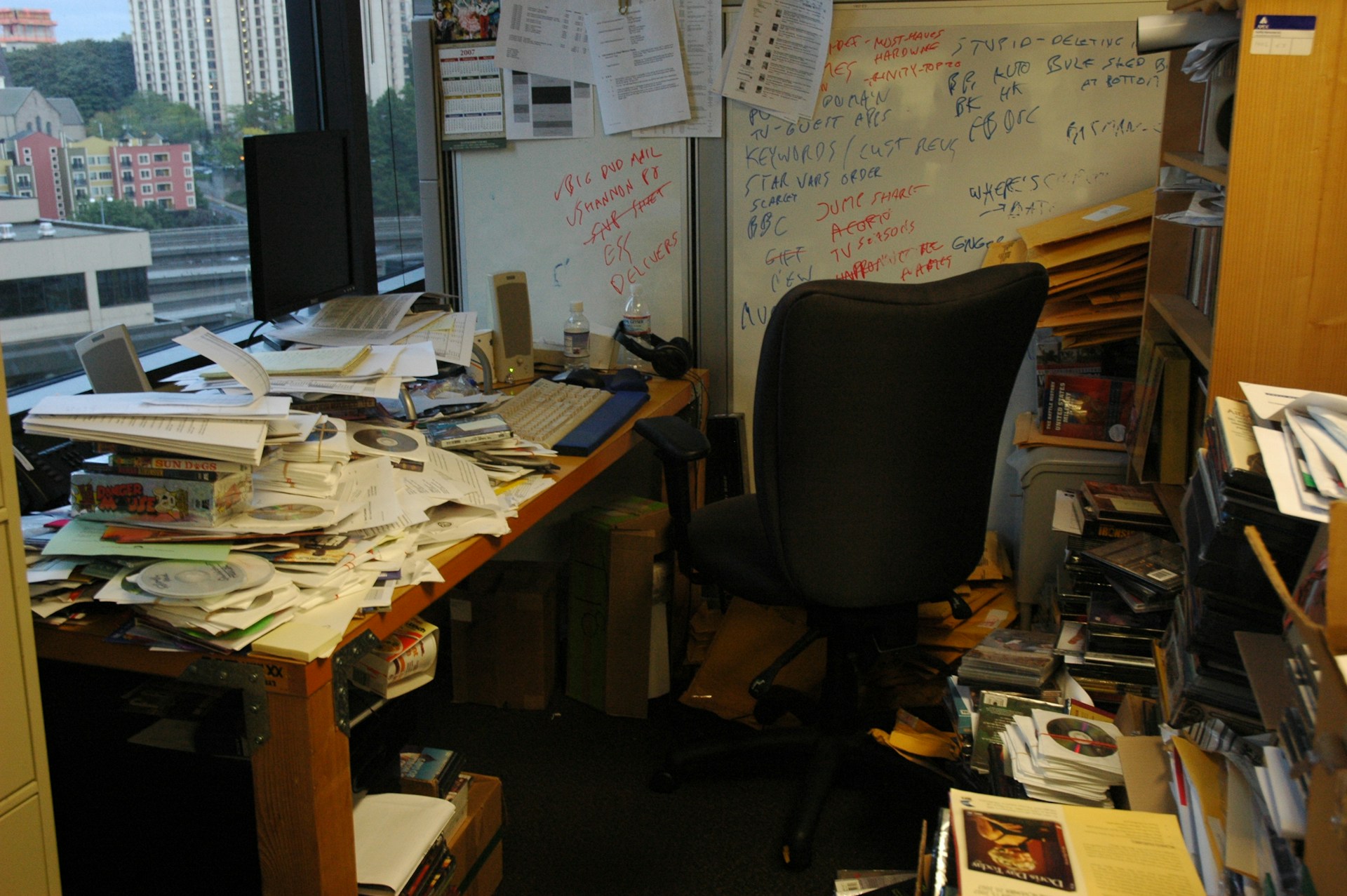
Researchers at the Princeton Neuroscience Institute showed that visual clutter competes for attention in the same neural region responsible for focused work. Multiple visual stimuli suppress each other's neural processing, meaning your unfinished pile on the counter is not waiting passively to be dealt with, but it is literally occupying cognitive space even when you're not looking at it.
The literature on environmental wellness converges on four levers: light, air, order, and proximity to nature. Each is measurable; each has been measured. Saxbe and Repetti, in a 2010 study based on guided home tours, found that women who described their houses as cluttered or unfinished carried flatter daily cortisol rhythms, the stress signature of a body whose vigilance never quite turns off. The room follows you out of the room. The nervous system, it seems, has no real memory of doors.
Three environmental factors carry the most direct measurable impact on wellbeing: light, order and proximity to nature. Each can be acted on this afternoon, with no purchase, no renovation, and no philosophy more elaborate than mild self-respect.
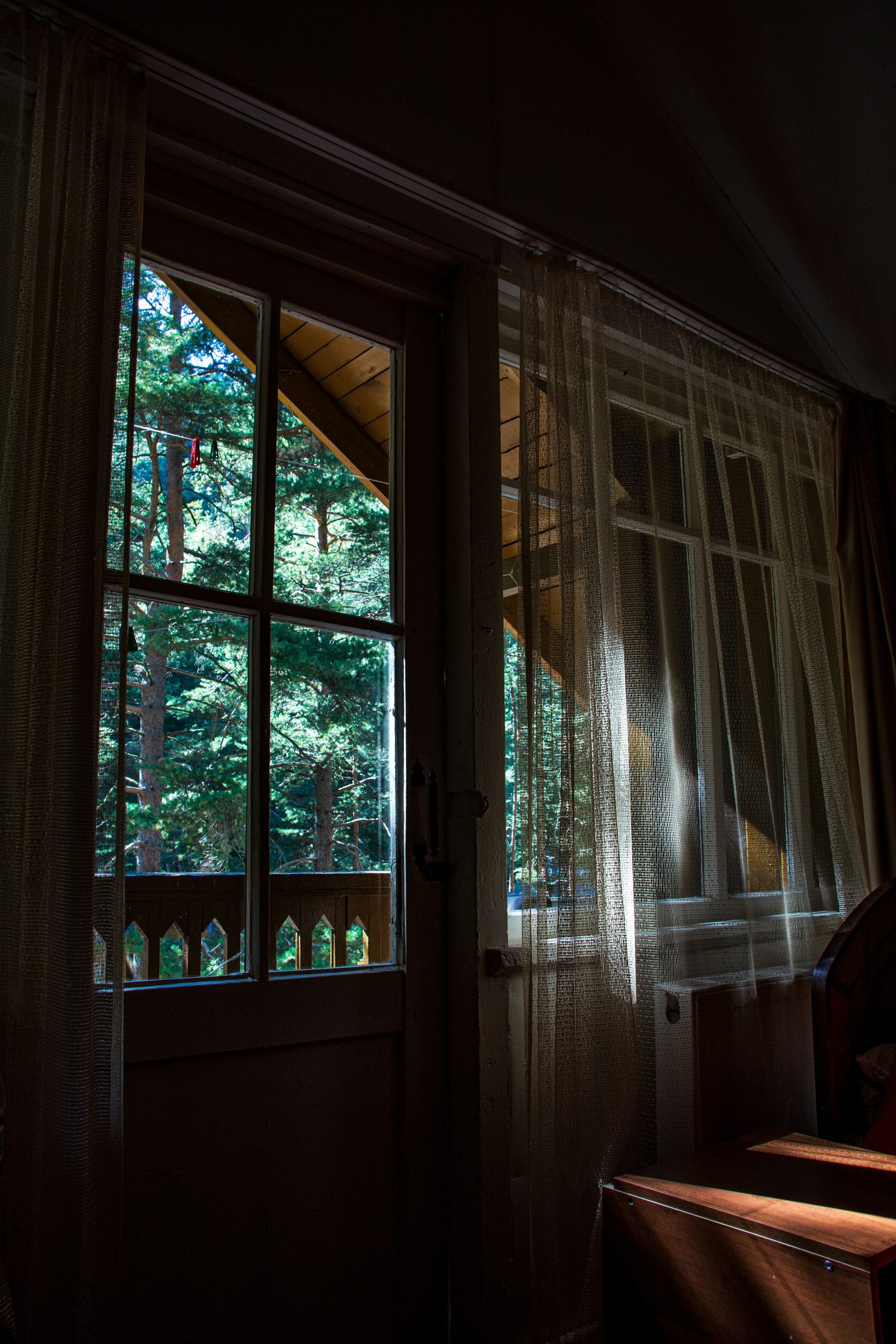
Your physiology runs on a twenty-four-hour clock that takes its instructions almost entirely from light. Morning exposure to natural light within the first hour regulates cortisol, supports melatonin production at night, and sets your alertness pattern for the entire day. Most homes are lit for vision, not for the body doing the seeing: bright at the wrong hours, dim at the wrong hours, indifferent throughout. This solution isn't expensive. Although it may seem a little awkward, it simply involves opening the window and pulling back the curtain.
Both curves are anchored, daily, by the light your eyes meet – beginning with the first hour after waking.
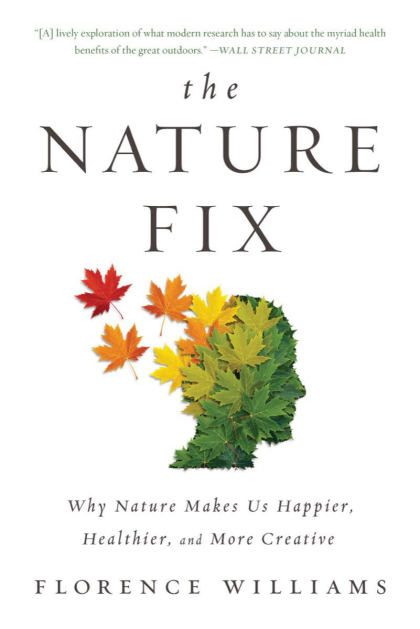
The biophilic literature, which sounds like a fashion and is not, has by now produced replicated evidence that proximity to natural elements lowers physiological stress markers. Roger Ulrich's 1984 study of post-surgical patients remains the unimprovable example: those whose hospital rooms faced a stand of trees rather than a brick wall recovered faster and asked for fewer painkillers. The view from the window is not merely a decorative element. Quite literally, it is a benefit that a building either provides or deprives its occupants of.
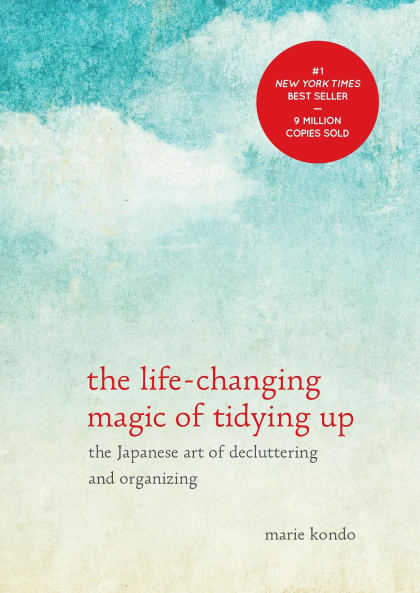
There is a difference between a tidy home and an ordered one, and confusing them costs people years. Tidiness is a state which decays the moment a child enters the room. Order is a system: a small set of rules that makes disorder temporary instead of cumulative. The brain treats unresolved visual information as a debt; psychologists call them open loops. You do not need a minimalist home, and the people selling you one are mostly selling you the photograph. The difference between managed clutter and designed order is the difference between constant background stress and baseline calm. You need a place where each object has somewhere it lives, and where each surface, if disturbed in the morning, can be returned to itself by evening.
"The room follows you out of the room. The nervous system has no real memory of doors."
None of these require equipment, expense, or unusual willpower. They require only the willingness to attend to what you have been ignoring on principle.
You have just read about one dimension. The other seven sit on the same tree. A short, quiet self-assessment will tell you which to attend to next, and the result lands in your inbox.
Take the quizFive titles that informed the writing here, with our honest commentary. We earn a small fee if you buy through these links.
McMains & Kastner, J. Neuroscience, 2011 · link · Saxbe & Repetti, PSPB, 2010 · link · Klepeis et al., NHAPS, 2001 · link · White et al., Scientific Reports, 2019 · link · Wright et al., Current Biology, 2013 · link · Ulrich, Science, 1984 · link · Lee et al., J. Physiol. Anthropol., 2015 · link · Kaplan & Kaplan, The Experience of Nature, 1989